
Childhood Trauma Pathway
Childhood is supposed to be a time of innocence, delight and being protected by caregivers yet for so many, their lived experience is the complete opposite. How do you move through the trauma you’ve endured as a child, especially when it threatens to derail your sense of self and emotional well-being? Living through childhood trauma can leave you wounded and broken as an adult. In this Childhood Trauma Pathway, you’ll hear from those who endured the painful hurts of a childhood steeped in abuse, chaos and trauma and how they found their way into a healing journey full of hope, faith and resilience. If you’ve experienced childhood trauma or know someone who has, this pathway is sure to be an encouragement that healing can come after pain.
Podcast Episodes:
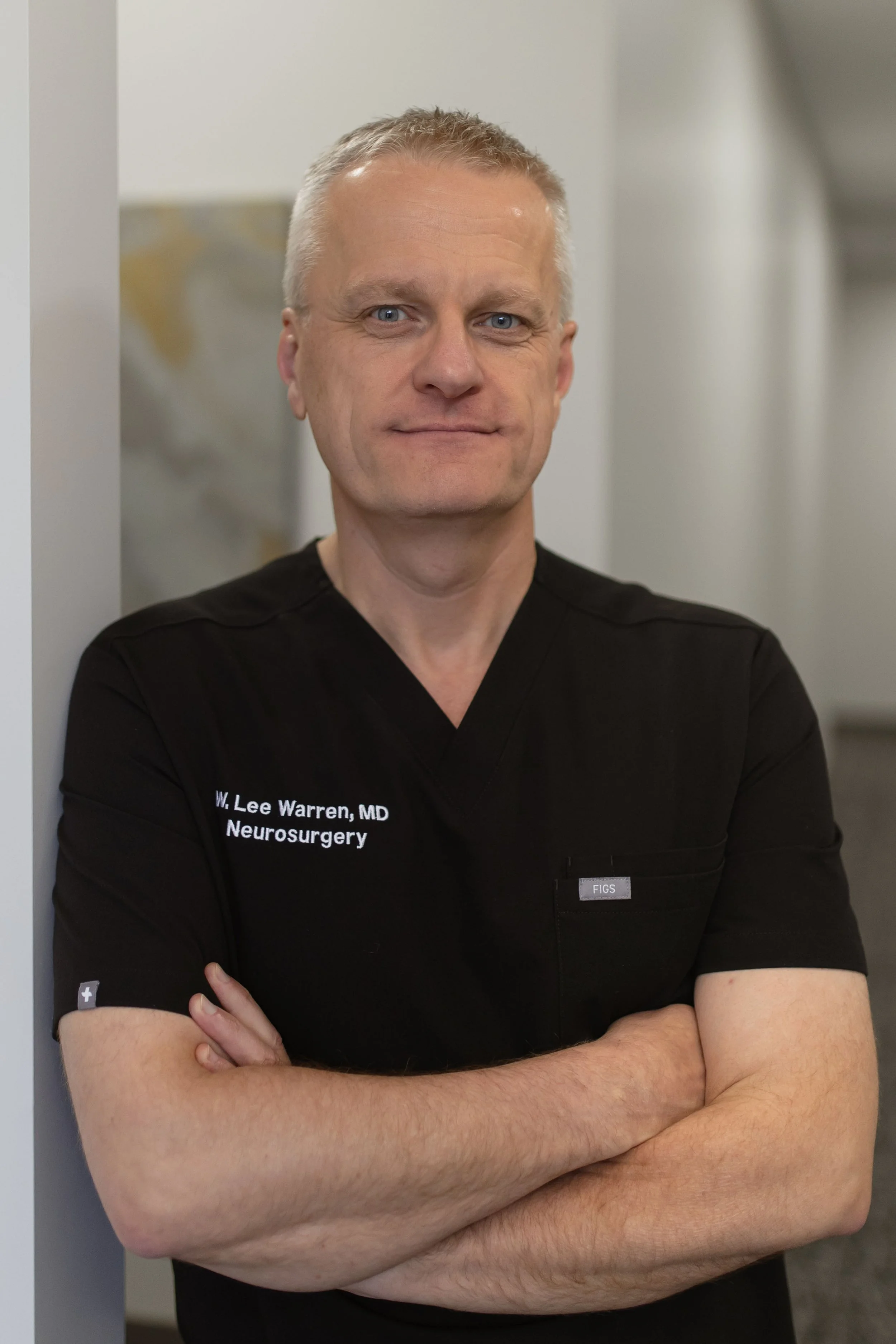
How can we begin to untangle the thoughts and emotions that are keeping us stuck or pushing us toward unhealthy forms of coping? What does it look like to embrace the God-given agency we have over our minds?
Dr. Lee Warren is a practicing neurosurgeon who has experienced the depths of grief and loss after losing his son, Mitch, years ago. Through his own journey of pain and healing—as well as his deep understanding of the brain as a neurosurgeon—he began to connect the truth of what Scripture says about our minds and thoughts with the science of the brain. Dr. Warren believes each of us has the ability to do “brain surgery” on ourselves in order to experience deeper healing from loss, trauma, and the wounds we encounter throughout life.
In his book, The Life-Changing Art of Self-Brain Surgery: Connecting Neuroscience and Faith to Radically Transform Your Life, Dr. Warren helps readers understand the power they have in their healing journey while offering practical wisdom for growing through difficulty into resilience.
In this conversation, Davey and Dr. Warren discuss the difference between the brain and the mind, the incredible power our thoughts have in the healing process, and why God gave us emotions in the first place.
If you are feeling stuck and find yourself turning to unhealthy habits or patterns in the midst of pain, this episode will encourage you with the hope that God can radically transform your life as you learn the life-changing art of self-brain surgery.

How do we find people who can help us carry the weight of our stories? How do we learn to experience safety in community when relationships themselves have often been the source of deep pain?
Author, speaker, and podcaster Toni Collier has endured profound hardship throughout her life, including caring for a parent at a young age, surviving an abusive marriage, experiencing sexual betrayal, enduring sexual manipulation as a child, walking through two divorces, and more. Learning to trust others with the deepest parts of her story did not come easily. Yet through the healing power of what she calls a Confessional Community, Toni began experiencing layers of healing and freedom she never thought possible. In her latest book, Don't Try This Alone: How to Build Deep Community When You Want to Hide from Your Pain, Toni shares how authentic, vulnerable community can become one of the primary ways God brings healing through suffering.
In this episode, Davey and Toni talk about why confession and vulnerability are such essential parts of healing, how we can become safe people that others trust with their pain, and the emotional and spiritual dangers of isolation and hidden suffering.
If opening up to others has felt difficult—especially in seasons of pain, disappointment, or heartbreak—this conversation will remind you that healing was never meant to happen alone and that God often uses deep, authentic community as part of the restoration process He wants to invite you into.

How can you tell the difference between big emotions that are part of the human experience and true dysregulation connected to past trauma? What does it look like to safely move the energy of anxiety, fear, and stress out of the body?
Lacey Jervis helps countless women recognize the ways their physiological responses impact how they show up in everyday life, relationships, and faith. Through her work, she offers a pathway toward greater safety, regulation, and emotional security by helping women better understand the connection between trauma, the nervous system, and the body.
In this special part two episode, Davey and Lacey continue their conversation by exploring practical somatic practices that can support healing and restore a sense of safety within the body. They discuss how to recognize the difference between a survival response and a normal response to life’s challenges, why unresolved trauma can remain stored in the body long after an event has passed, and practical ways to help the nervous system return to regulation and peace.
If you are looking for practical wisdom on how to calm your body’s physiological responses after trauma, this conversation will offer grounded, accessible tools you can begin practicing right now and will teach you ways to move the energy of fear, anxiety, and pain through the body so that you can more fully show up to your life, relationships, faith, and calling from a place of calm, safety, and presence.
How do we reconcile our dysregulation after trauma when it comes to our faith? What is the connection between our physiological experience and God?
It was through Lacey Jervis own experience with trauma that she began to understand the profound impact the body’s physical responses can have after loss. After losing her dad to a heart attack at a young age while she was home with him, Lacey began to recognize how deeply trauma affects both the nervous system and our perception of ourselves, others, and even God. That journey eventually led her to help others navigate the complex relationship between trauma, the body, and faith.
Through her work with women as a Somatic Therapist, Lacey began helping clients untangle their physiological responses from what they often assumed were spiritual failures. As she guided them toward understanding the body’s reactions and equipped them with tools to restore safety and regulation, many began to realize that what they believed was a faith issue was often a physiological response rooted in trauma.
In this episode, Davey and Lacey journey through her story of losing her dad and explore the lasting ways trauma impacts the body, the physiological responses that can remain long after a traumatic event and why it is so important to understand the difference between dysregulation and disobedience.
If you have ever felt like your faith was weak because of the ways your body becomes dysregulated after trauma, this conversation will remind you that God is not disappointed in your dysregulation. Instead, there is an invitation to holiness through your humanity.
How do we begin to move through the pain we’ve buried for so long? And how can our willingness to be vulnerable create space for others to share their own stories honestly?
Pastor Chris Durso never imagined how a single question could uncover years of suppressed pain. During a therapy session, the simple prompt—“How was your childhood?”—opened the door to long-buried memories of sexual abuse he experienced as a child at the hands of someone within the church. What followed was not only the resurfacing of those moments, but also the unexpected weight of PTSD and the beginning of a difficult, yet transformative, journey toward healing.
In this episode, Davey sits down with Chris to talk about what it looks like to confront childhood trauma, how to navigate PTSD in the context of community, and why authenticity in the church is so essential for true healing.
If you’ve ever experienced wounds from your past resurfacing in unexpected ways, this conversation is a reminder that even in the most painful parts of our story, Jesus is present—and healing is possible.
What happens when the escape you turn to begins to take over your life? How do you begin to heal the deeper wounds that often lie beneath addiction?
For author and podcaster Jonathon Seidl, the descent into alcoholism was rooted in unresolved childhood pain. After experiencing his father leaving at a young age, navigating an often difficult relationship with his stepfather, and enduring childhood sexual abuse, alcohol became a way to numb what he hadn’t yet faced—or invited Jesus to heal.
In his book, Confessions of a Christian Alcoholic: A Candid Conversation on Drinking, Addiction, and How to Break Free, Jonathon shares his raw and honest journey through disordered drinking and his path toward freedom.
In this episode, Davey sits down with Jonathon to explore the connection between escapism and addiction, the impact of trauma, and what recovery can look like through a Gospel-centered lens.
If you or someone you love has struggled with alcohol—even as a believer—this conversation offers a powerful reminder: there is hope. When we stop avoiding our pain and bring it honestly before Jesus, true healing can begin.
How do you begin to disrupt the toxic family patterns you experienced as a child? What do you do with the dissonance between the outward appearance of your life and the reality of what was?
For Amy Duggar King, life was lived in two very different worlds. One appeared happy and carefree, marked by regular appearances on her extended family’s reality TV show, 19 Kids and Counting. The other was dark and frightening, shaped by toxic narcissistic patterns and abuse that she and her mother endured at home with her father. As Amy grew older, she began to recognize that the abuse she experienced in her family of origin was not isolated. Some of her cousins—who seemed to be living the peaceful, picture-perfect life she longed for—were navigating their own pain behind the scenes. Over time, Amy came to understand that what meets the eye is not always the full story. Through deep personal processing, she began breaking generational cycles and dismantling toxic family patterns. She shares her story in depth in her book, Holy Disruptor: Shattering the Shiny Facade by Getting Louder with the Truth.
In this episode, Davey and Amy discuss what narcissism can look like in families, the lasting effects of spiritual abuse, and what it means to become a Holy Disruptor—someone who courageously breaks cycles and patterns in the light of God’s truth.
If you’ve ever wondered how to undo the toxic patterns you grew up in, this conversation will encourage you to shatter the shiny facade and bring holy disruption to the places that need it most.
How do you find hope when life unexpectedly thrusts you into the valley of loss? How do you navigate the rugged terrain of pain?
For Nothing is Wasted’s Podcast Producer and Content Director, Catherine Fitzgerald, the heartbreak and trauma of losing her brother, Zac, plunged her into a valley unlike anything she had ever experienced. In the aftermath came secondary losses of community and identity and a spiritual desolation that felt like a dark night of the soul. She found herself wondering how she would ever find her way back to faith.
And yet, God met her there—through the book of Psalms and through the stories of others, like Davey Blackburn—offering a glimmer of light to guide her toward hope.
Now, in Nothing is Wasted’s latest project, Catherine has gathered and edited a collection of stories from past podcast guests, Nothing is Wasted Coaches, and team members. Each story weaves together personal journeys through pain, loss, and trauma with reflections on the Psalms, forming a powerful new devotional—Hope in the Valley: 42 Days of Healing Through the Psalms After Loss, Grief, and Tragedy.
In this episode, Davey and Catherine look back on their own stories and their shared journey through Nothing is Wasted. Together, they explore how loss reshapes every part of our lives, the often messy wrestle for hope, and why stories are such a vital part of nurturing faith in the valley of pain.
If you’ve ever believed that hope simply means “looking on the bright side,” this conversation will remind you that true hope is far more complex—gritty, raw, and worth fighting for. And often, it’s the stories of others that become our most powerful weapon in that fight.

What do you do when you find yourself reacting as a leader? How can the wounds of your past impact who you are becoming?
Former pastor turned leadership coach and podcaster Tony Miltenberger began noticing a powerful pattern in his conversations with leaders: the emotional reactions that were surfacing and influencing their leadership were often rooted in unresolved wounds from the past. As he dug deeper, Tony discovered something even more profound—those very wounds often pointed to the unique gifts a person was meant to offer the world.
Drawing from his own personal journey and the experiences of those he has coached, Tony came to see the redemptive potential in our pain. That insight became the foundation of his book, Wisdom in the Wound: How God Uses Your Past to Shape Who You’re Becoming.
In this episode, Davey and Tony explore the significant impact of "little 't'" traumas in our lives and leadership, why it's crucial to trace our emotional responses back to their origins, and practical steps to begin healing the wounds that shape us.
If you lead in any capacity—whether in business, ministry, your workplace, or your home—this conversation will challenge and encourage you to look beneath the surface, confront your story, and discover the wisdom God wants to draw from your wounds so you can fully step into your calling.
How do you move forward after a life marked by trauma and pain? Can looking back be the very thing that helps you discover your purpose in God’s plan?
As a young orphan in war-torn Liberia, Jackson TerKeurst could never have imagined the path his life would take. After years in an orphanage surrounded by the devastation of conflict, Jackson was invited to join a group of children on a tour across the United States—sharing stories of resilience and hope born from unimaginable suffering.
But in the midst of that journey, Jackson received heartbreaking news: he would not be returning home. His country and the orphanage he once knew had been overtaken by violence and chaos. Stranded and grieving, Jackson faced an uncertain future.
Yet God was writing a greater story.
Through a series of divine appointments, Jackson met the TerKeurst family, who would eventually adopt him and his brother. Today, Jackson is an entrepreneur, a husband, and a father. He reflects on his journey and how God's hand was evident through it all in his new book, The Only Way Forward Is Back: A Story of War, Adoption, and Finding Your Purpose in God’s Plan.
In this powerful and heartfelt conversation, Davey sits down with Jackson to explore the deep wounds of growing up in a war zone, how revisiting the past has been key to Jackson’s healing, and why serving others plays such a central role in his story.
If you’ve ever been hesitant to look back at your own pain, this episode will remind you: sometimes it’s in looking back that we find the very path God has prepared to move us forward.
How do you experience God’s empathy in the midst of life’s challenges and struggles? How can you encounter the compassion of Christ in your own pain and sorrow?
Drs. Bill and Kristi Gaultiere have devoted their lives to helping others navigate personal pain and discover soul care through their ministry, Soul Shepherding. Yet, it was through their own journeys—Bill’s battle with anxiety and Kristi’s experience of childhood wounds—that they came to deeply know God’s empathy, equipping them to walk with others on the path to healing.
In their latest book, Deeply Loved: Receiving and Reflecting God’s Great Empathy for You, they explore the connection between receiving divine empathy and developing healthier emotional lives and relationships.
In this episode, Davey sits down with Bill and Kristi to discuss how our personal stories shape the messages we carry, the essential role of empathy in the healing process, and how the support of others can help us experience God’s compassion more fully.
If you’ve ever found it difficult to extend compassion to yourself or others, this conversation will guide you toward discovering that God’s deep love is often experienced through a compassionate engagement with your own emotions and life experiences.
How do you bring order to the chaos of dysfunctional family patterns? What does it look like to experience lasting peace in the midst of relational disorder?
Pastor and Bible teacher Dr. Manny Arango knows firsthand what it’s like to grow up surrounded by chaos. Raised in a home where his father battled addiction, Dr. Manny became a stabilizing force for his mother, but what seemed like support at the time eventually revealed itself as a deeply dysfunctional dynamic. It wasn’t until he became a husband and father that he began to recognize how these patterns were impacting his own family.
Through the help of therapy and a deeper understanding of God’s design in Scripture, Dr. Manny discovered a powerful truth: true peace comes not from people-pleasing or control, but from aligning with God’s order. In his new book, Crushing Chaos: Calm Your Storms. Order Your Life. Find Your Peace, he unpacks how God is never intimidated by disorder and how He consistently brings order to chaos in the lives of His people.
In this rich conversation, Davey sits down with Dr. Manny to explore the importance of identifying not just immoral behaviors in our families of origin, but also the subtle and often overlooked patterns of dysfunction, how setting healthy boundaries can become a gateway to peace, and why understanding the biblical pattern of God’s redemptive order is key when navigating personal storms.
If you've ever felt overwhelmed by anxiety or like your life is spiraling into chaos, this episode will equip you with the insight and spiritual authority to confront disorder and embrace the peace that comes through God's divine order.

What do you do when anxiety suddenly takes hold and you find yourself spiraling? How do you begin to unravel the past wounds and circumstances that have led you to a place of chaos and uncertainty?
For author and pastor Levi Lusko, a season of anxiety emerged seemingly out of nowhere. After years of pushing hard in ministry and leadership, he found himself waking up in the middle of the night gripped by an intense panic attack. The journey to uncover the root causes of that experience took time—but it was through that very process that he discovered how God meets us not only in our triumphs but also in our most chaotic, uncertain seasons.
In one of his most vulnerable books yet, Blessed Are the Spiraling: How the Chaotic Search for Significance Can Lead to Joy Through Life’s Shifting Seasons, Levi shares the raw, personal account of navigating panic attacks, questioning his calling, confronting deep-seated fears, and unearthing childhood wounds. Through that journey, he found a healthier, more grounded rhythm of life and ministry—one anchored in God's presence through every season and joy.
In this candid conversation, Davey and Levi explore the emotional toll leadership can take, the transformative power of revisiting and healing from past childhood wounds, and the importance of discernment in choosing who walks alongside us through our healing journeys.
If you’ve ever found yourself overwhelmed by anxiety or navigating a season that feels uncertain and out of control, this conversation offers a powerful reminder: you are not alone. In the midst of the spiral, God is present—and even in the messiness of life’s shifting seasons, it’s possible to discover deep, lasting joy.
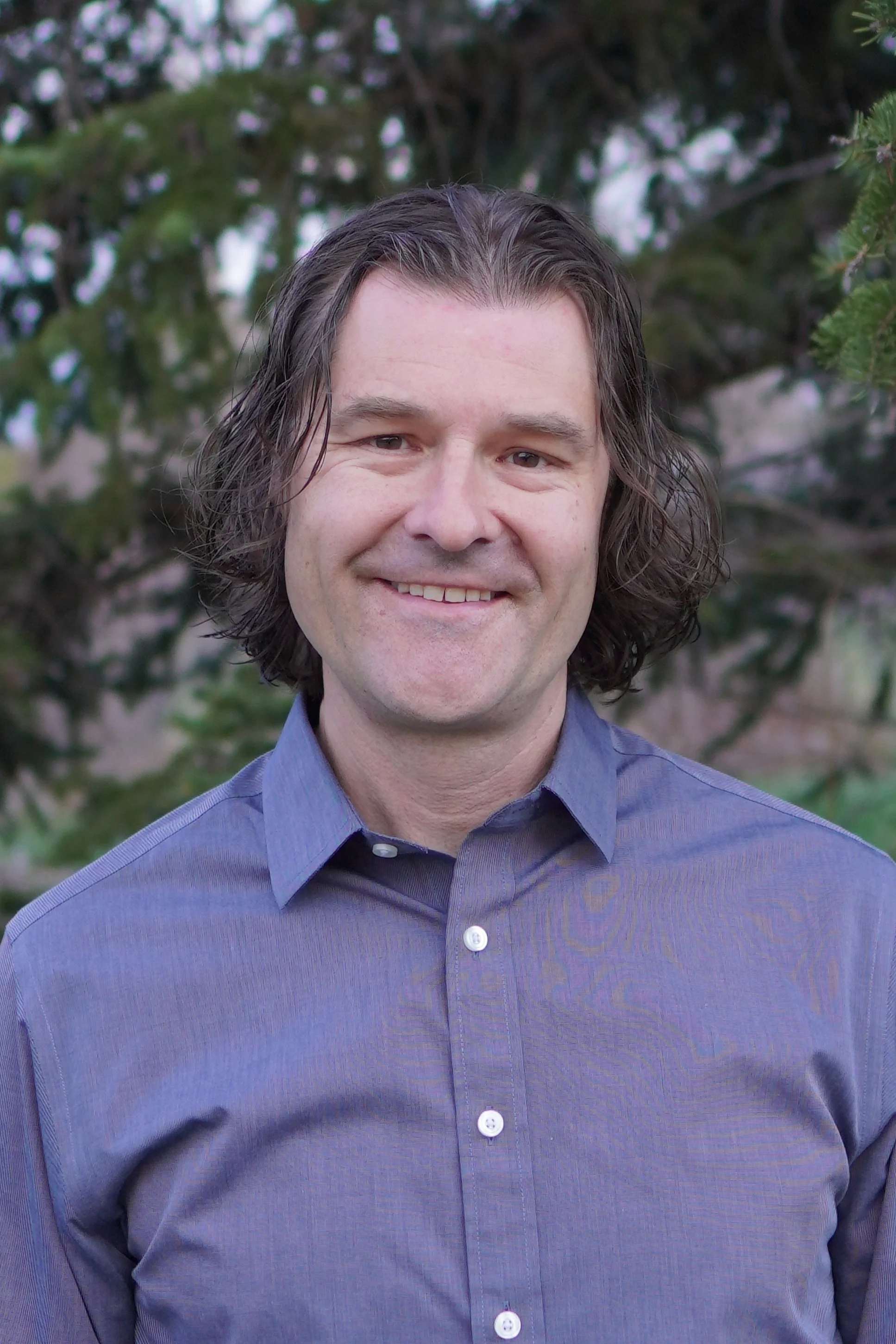
How do we begin to untangle the wounds of our childhood and understand how they influence the way we show up in the world today? What do we do with the stories of harm, neglect, and pain that linger from our past?
Therapist Adam Young came to realize in his thirties just how profoundly his family of origin and early wounds were shaping his adult behavior and emotional responses. Through the process of exploring and making sense of his own story, he discovered a deeper calling: helping others navigate and heal their own. In his new book, Make Sense of Your Story: Why Engaging Your Past with Kindness Changes Everything, Adam shares his personal journey while offering readers a framework for understanding and engaging their own life narratives.
In this insightful conversation, Davey sits down with Adam to discuss the powerful role our family of origin plays in shaping who we become, the essential need for community in the healing process, and how we can begin to approach our stories with kindness and curiosity.
If you've ever reacted strongly in a moment and questioned where it came from, this episode will offer clarity on how our reactions often point to unhealed parts of our past—parts that need to be seen, understood, and gently tended to in order to experience true healing.

What do we do when pain and trauma affect our children? How can we guide them through the complex journey of grief and loss?
Erin Nelson has walked through depths of sorrow that few can imagine. She lost her first husband in a sudden plane crash, her mother to suicide, and her young adult son in a tragic car accident. Having experienced grief in its rawest forms, Erin found healing—and through it, a calling. She channeled her pain into purpose by founding Jessica's House, a grief support center for children, teens, and their families.
As Jessica's House has grown, Erin has partnered with others who share her heart, including Colleen Montague, a licensed therapist and the center’s program director. Together, they co-authored When Grief Comes Home: A Gentle Guide for Living Through Loss While Supporting Your Child, a compassionate resource designed to help families facing the unimaginable.
In this deeply meaningful conversation, Davey sits down with Erin and Colleen to explore how our most painful experiences can become the foundation for our life’s purpose, how to recognize what grief looks like in children, and how to have honest conversations with kids about loss.
If you or someone you love is trying to help a child navigate grief, this episode offers practical tools and guidance for supporting young hearts through profound hurt.
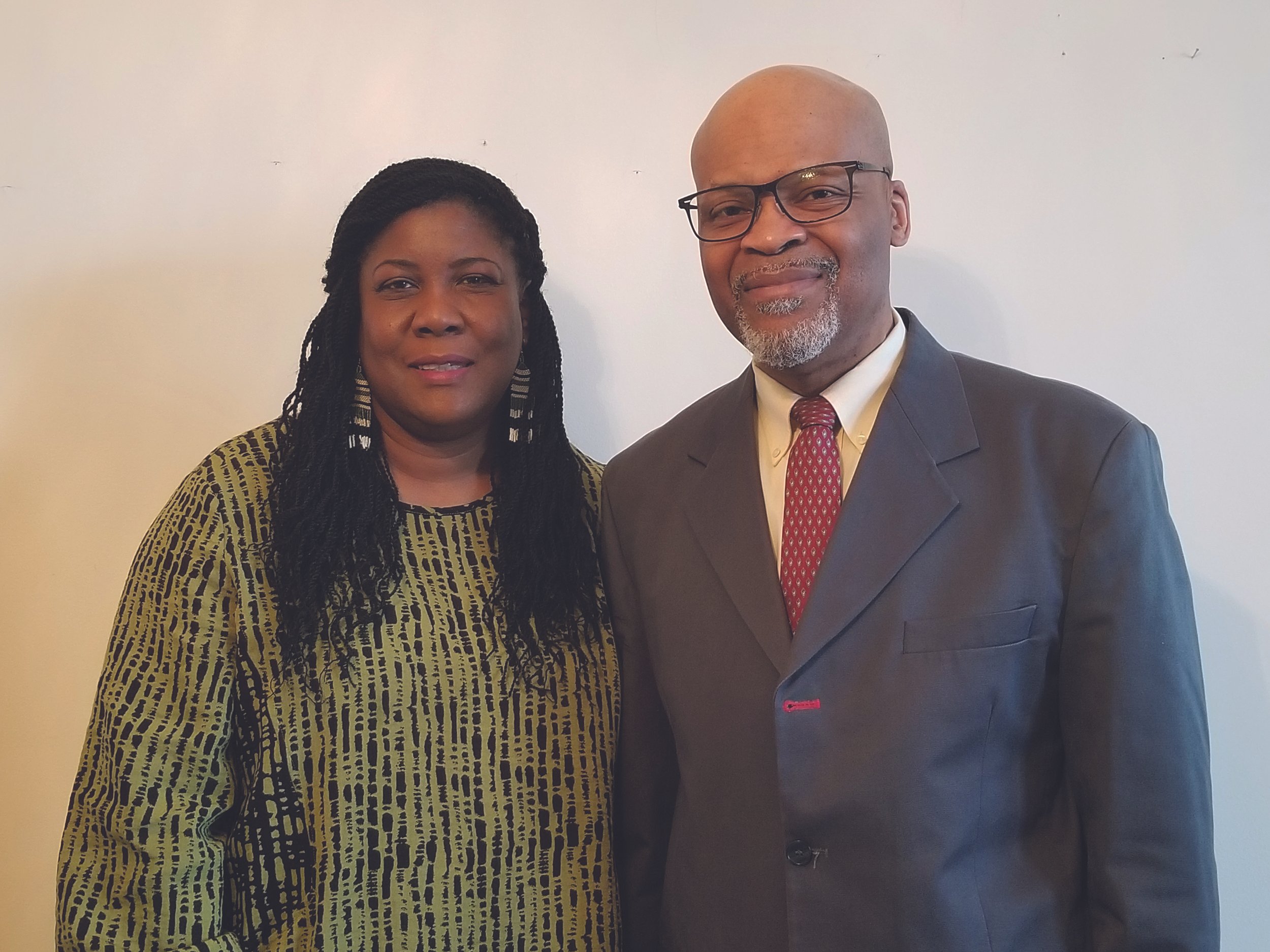
How can leaders heal from their own wounds? Why does emotional and spiritual health matter so deeply for those who are called to lead?
Historian and theologian Dr. Nicholas Rowe and his wife, Sheila
Wise Rowe, author and counselor, have seen the ways unprocessed pain and trauma can impact leaders. While countless resources aim to help leaders grow in skill and strategy, few address the inner pain and unhealed wounds that many carry silently. In their new book, Healing Leadership Trauma: Finding Emotional Health and Helping Others Flourish, Nicholas and Sheila confront this gap head-on, offering a holistic and deeply spiritual roadmap for leaders to find healing, restoration, and renewed purpose.
In this powerful and timely episode , Davey talks with Nicholas and Sheila about how our early formation can impact our connection with God and others, the ways unresolved trauma can unconsciously influence our decisions and leadership style, and why we need to consider the weight of leadership before we even step into it.
Whether you're a pastor, teacher, nonprofit leader, entrepreneur, or parent, this conversation is an invitation to pause, reflect, and allow God to tend to your soul—so you can lead from a place of emotional health while helping others flourish.

What happens when our lived experience doesn’t align with what we believe about God? How do we hold on to faith when trauma, suffering, or loss shatters our spiritual foundation?
Author and counselor Michael Cusick understands this tension intimately. As a survivor of childhood abuse, Michael found himself caught in self-destructive cycles that threatened his soul and relationships. Yet through his own healing journey, he discovered the profound impact our personal stories have on our attachment to God — and how restoring that attachment can transform our lives.
Now, through his intensive counseling work at Restoring the Soul and in his new book, Sacred Attachment: Escaping Spiritual Exhaustion and Trusting in Divine Love, Michael helps others reconnect with a God who is both safe and loving — even in the wake of deep wounds.
In this thoughtful conversation, Davey and Michael talk about what to do when your relationship with God feels fractured, why attachment is so important spiritually speaking, and why it seems like so many leaders are falling in our generation.
If you've struggled in your relationship with God because of the pain you have experienced, this episode is an invitation to begin healing, to rebuild trust, and to rediscover a sacred attachment with the One who will never let us go.

How do we help kids build resilience, especially after facing trauma? How do we teach kids the skills they need to persevere after pain?
Dr. Nicole Wilke had a front-row seat to the impact trauma can have on a child's development. Her parents had a heart for kids with the hardest stories and welcomed seventy children through foster care and adoption. This experience had a profound impact on Dr. Wilke as she watched her siblings grow and struggle after experiencing pain. It was out of her own experience that she was drawn to the work she does now through the Christian Alliance for Orphans Research Center, where she is on the front lines of discovering how we can best help kids who have experienced difficult things find a way forward.
Her latest book, which she co-authored—Overcoming: What Scripture and Science Say About Resilience—offers practical wisdom backed by science to help kids take whatever challenges they are facing and use them as fuel to build resilience that will carry them throughout their lives.
In this episode, Davey talks with Dr. Wilke about how God is in the business of redeeming our kids' stories of difficulty, why our vision matters when it comes to the trauma kids experience, and how to build a child's resilience so that they can move forward through whatever may come.
If you are a parent or love a child who has experienced challenges and difficulties due to trauma or pain, this conversation will encourage you that God can take the most painful moments and use them in our kids' lives so that they can become resilient overcomers.

How can we help a child who may not have the words to express their own grief? How can communities be support systems to those who have adopted?
Cameron Lee Small's story began with loss. At the age of three years old, he was adopted from his birth country of South Korea and placed in a home thousands of miles away in America. As he grew up and began to understand the complexity of emotions that can arise as an adoptee, he realized the need for support and care for others who shared his journey.
Through his practice as counselor and his interactions with other adoptees and their families, Cameron has seen the impact loss and trauma can play in the lives of those who have walked this path. And because of his own personal experience, he has been able to help adoptees and their families navigate a way forward towards healing. In his book, The Adoptee’s Journey: From Loss and Trauma to Healing and Empowerment, Cameron shares glimpses of his story and search for his birth mother as well as practical ways adoptees can regain their sense of agency and identity in the complexities of their story.
In this insightful conversation, Davey talks with Cameron about the kinds of questions that can come in an adoptee, how parents and caregivers can help children regulate who have experienced trauma, and why it is so important for churches to be adoption informed so that they can best serve families who adopt.
If you are an adoptee or an adoptive parent or you know someone who is, this episode will help you understand the nuances of the emotional experience many adoptees feel and how you can love and serve those who have welcomed children into their home through adoption.

What do you do when you find yourself in a crisis of faith? How can you help someone walking through the questions and doubts they are experiencing?
Ian Harber came to a critical junction in his own faith after experiencing loss after loss. Doubts began to rise and yet, he didn't have a safe space to process the questions that can so often come in our journey in knowing and understanding God. But eventually, Ian found himself on the other side of that process and began to see the need for helping others find the space to process their own questions and doubts. In his latest book, “Walking Through Deconstruction: How to Be a Companion in a Crisis of Faith”, he shares his own story of deconstruction and reconstruction and encourages others to be a companion to those who are experiencing a crisis in faith.
In this episode, Davey and Ian discuss what deconstruction is, what can happen to a person who is experiencing a crisis in their faith, and how to walk alongside those who are questioning and doubting faith as they once knew it.
Whether you are struggling with questions and doubts in your own journey with Jesus or you know someone who is, this conversation will encourage patience and compassion through the ups and downs of walking with God.
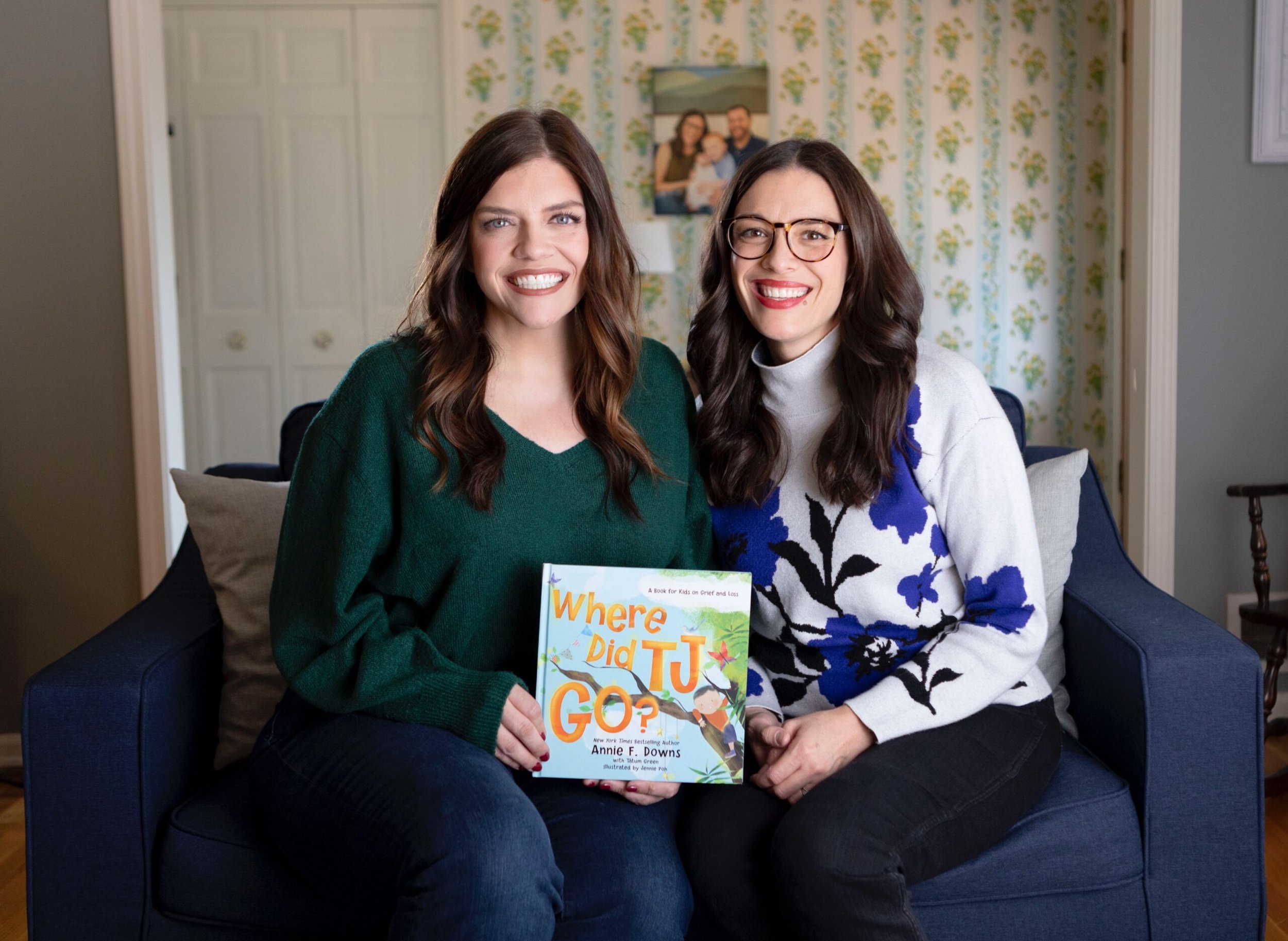
How do we begin to help young children understand loss? What can we do to help little ones grieve while we are walking through it alongside them?
For author, speaker, and podcaster Annie F. Downs, these questions became real when her infant nephew, TJ, passed away from a severe medical condition less than two months after he was born. Wanting to help her sister, Tatum Green, and her young son, Sam, process through this loss, Annie did what she was uniquely gifted to do. She wrote Sam a book to help him as he tried to grasp the loss of his little brother. Once it was written, Annie and Tatum knew that this book needed to be offered to other families beyond theirs who were trying to figure out through how to walk young kids through unimaginable losses and so together, they created the final version, “Where did TJ Go? A Book for Kids on Grief and Loss”. In it, they help children ask the hard questions that can come when they lose someone they love and find hope through the Gospel.
In this honest conversation, Davey sits with Annie and Tatum to talk about how a loss impacts a whole family, the best ways we can show up for those we love in their grief, and what we learn about the mystery of God through the rawness of our struggles and questions.
If you or someone you love is trying to navigate how to guide a young child through loss, this episode will encourage you that while it can be hard and difficult, simply giving kids the space to ask tough questions and talk about what they are feeling is the first step in walking them through the pain of grief and finding hope along the way.

How do we keep our eyes up and trusting God when the pain of life seems unrelenting? Why is it so important to remind ourselves of God's goodness especially in those moments of greatest heartache?
For author, pastor and speaker Alexandra Hoover, navigating a lifetime of difficulty and trauma as a child and then experiencing the loss of her brother as an adult could have kept her from experiencing God's care and comfort, but instead, it led her to it. As she began to look back at all the moments in which God had showed up for her throughout her life, she was able to see points of remembrance of God's faithfulness, Ebenezer stones as Scripture calls them. It was in those places that she found herself continually returning to as new heartaches and challenges came her way. In her book Eyes Up: How to Trust God’s Heart by Tracing His Hand, she helps readers learn how to find those similar moments in their own lives.
In this conversation, Aubrey sits down with Alexandra and discusses the power of discipleship in showing young believers a faith filled life, why it is important to pay attention to the ways God has been faithful throughout our days, and how we can begin to surrender and learn to live loved, especially in our pain.
If you find it hard to remember God's goodness in your suffering, know that you are not alone. This episode will encourage you to keep looking back so that you can look up and move forward through whatever struggles and hardships life throws at you.

How do we make it through the difficult seasons that every marriage encounters? What does contentment look like when our circumstances aren't changing?
For musicians Cubbie Fink and Rebecca St. James, they could not have predicted the many twists and turns life would take on after they said, "I do." Through the personal pain of miscarriage and fertility struggles, the ups and downs of two successful music careers, and the revelation of Cubbie's childhood trauma that needed healing, Cubbie and Rebecca have experienced difficult winter seasons that tested their marriage and their faith. But it was through those seasons that they found an invitation to grow and trust God in their lives together. They wrote about it in their new book, Lasting Ever: Faith, Music, Family and Being Found by True Love, which shares the heartaches and triumphs that shaped their story as a couple.
In this episode, Davey sits down with Cubbie and Rebecca to discuss the different seasons that marriages often encounter, how to hold space for one another in pain, and why contentment is so important in the winters of our lives.
If you're walking through a difficult season in your marriage or in life, this conversation will encourage you that even when it feels dark, God is always there beside you and that every winter season is a reminder that spring is coming.

How can we deal with our addictions in a way that brings true healing? What does the Twelve Steps Program offer all of us when it comes to getting to the root of what keeps us bound by poor coping strategies?
Ian Morgan Cron is a well-known author and podcastor around the Enneagram, a personality typing system, but his story didn't start there. After a difficult and traumatic childhood, Ian found himself entangled in addiction. It was through the Twelve Steps Program and his own recovery that Ian realized that we all look to things outside of God when it comes to fixing our pain, trauma, and past. But a tool like the Twelve Steps can help lead us back into surrender, forgiveness, and union with God and help us learn to cope with the difficulties and challenges of life.
In his latest book, The Fix: How the Twelve Steps Offer a Surprising Path of Transformation for the Well-Adjusted, the Down and Out, and Everyone in Between!, Ian shares practical ways that the Twelve Steps can help anyone deal with what leads them towards the unhealthy patterns of addiction and coping and into a new perspective of looking at life, relationships, and our experiences.
In this deep conversation, Davey and Ian talk about how the Twelve Steps can be helpful no matter what you're facing, the way in which prayer can get rid of our mental garbage, and why surrender and forgiveness are so pivotal in our healing.
If you have found yourself constantly looking for a "fix" when it comes to your pain, this episode will encourage you that God is inviting you to experience healing and wholeness through Him alone that pain, addiction, and trauma try to keep you from.

How do we help our kids navigate the most difficult parts of life? What role does connection play in making sure that we are who our kids come to when they are facing hard things?
Amy Betters-Midtvedt knows how hard it can be to help kids through the tough stuff. As a parent of five and an educator, Amy has worked with kids and adolescents for over twenty-five years and has seen the pain, the struggles, and the triumphs that kids and teens go through as they grow up. Navigating her own children's difficulties like mental health issues and an eating disorder taught her what kids need most from us as adults: connection and relationship. In her book, You’ll Make It (and they will too): Everything No One Talks About When You’re Parenting Teens, she shares the good, the bad, and the ugly about raising teens, especially with the challenges that can come in the digital age.
In this conversation, Aubrey and Amy talk about how to give teens what they need, the ways we can help kids navigate this digital world, and why it is important to learn the art of letting go.
If you are raising a teenager or love one, this episode will give you permission to take a deep breath and focus on what matters the most when it comes to helping kids grow and flourish.

How do you find purpose when your life as you knew it is permanently changed? How can you learn to surrender the plans and path you once saw for yourself?
For Natalie Buchoz, Director of Media for world renowned author and psychiatrist Dr. Daniel Amen, she could have never imagined the new path her life would follow after a skiing accident left her with a permanent spinal cord injury as a teenager. Once an active, athletic teen, Natalie's new life would be filled with doctors and a wheelchair. Now 15 years later, Natalie can see the ways in which God has used this new life and path to grow her spiritually in her relationship with Him. But it only came when she was willing to open her hands and let go of the life she expected.
In this episode, Aubrey talks with Natalie about how Jesus can show up in our most isolating experiences, the importance of post-traumatic growth, and how to find your true identity and worth after a life-altering change.
If you've ever struggled to let go of the life you thought you should have, this conversation will encourage you that surrender will give you a way forward that is beyond what you could ever imagine and that God is in the business of transformation.

What does redemption look like in our stories of pain and suffering? How do we step into the story of someone we love and hold space for them?
For Nothing is Wasted co-founder, Kristi Blackburn, learning to be a place of refuge and healing for her husband, Davey, and son, Weston, years after they lost their first wife and mom, Amanda, has been no simple task. In the messiness of grief, blending families, and navigating the impact of trauma, Kristi has had to step into the call of being a wife and mother without a manual but only the grace of God to guide her. She has had to learn how to do it all from a place of faith and not fear, while also tending to her own story of shame, loss and grief. While it hasn't been easy, she has found that in the midst of it all, God has given her the strength and wisdom she has needed to be a source of healing and help to both Davey and Weston as they continue to put the pieces together of their shattered hearts.
In this heartwarming episode, Davey and Kristi have the opportunity to share candidly about what it has been like to step into each other's pain, the difference between redemption and restoration, and how to parent kids who have faced the unimaginable.
If you've ever struggled to see God's redemption plan play out in your story, this conversation will show you that perhaps it already has and you just haven't recognized it yet.

How can music help us heal? What role does worship play in our most difficult seasons?
Songwriter, worship leader and singer Mack Brock has written countless songs that have helped people connect with God. But there is one song that became a rally cry for Davey Blackburn after losing his wife, Amanda and their unborn child in a home invasion. It was the song Nothing is Wasted by Elevation Worship. Mack was one of the songwriters and the singer on the release of that song. Mack could never have known that the words he penned years ago, would become a glimmer of hope to Davey in his darkest moment and a living reminder on which he would later build a ministry.
In this full circle conversation, Davey and Mack talk about the impact of the song Nothing is Wasted had on Davey personally, how God can use worship and music in our healing and why it is so important to take small steps of faith into a bigger, unforeseen purpose.
If you've ever been impacted by a song in your journey towards healing, this episode will teach you that God will use even the music that we hear to speak to us in our pain and remind us that nothing is wasted.

WARNING: This episode discusses teen suicide and may not be suitable for all audiences.
How do we begin to understand the staggering increase in mental health issues amongst teens? Why are the suicide rates moving in an upward trend, especially amongst younger children?
Our world has undoubtedly changed because of the advent of smart phones and social media, but no one could have predicted the impact these devices have had on our kids. Dr. Chinwé Williams, an author, speaker and teen and child mental health counselor, has seen the ways our current culture has effected youth in this country. Because of what she has seen clinically, she has been on a mission to help resource parents through her books and trainings with the tools they need to handle the challenges that many kids and teens are facing, including anxiety.
In this episode, Davey sits down with Dr. Williams to discuss the role empathy should play in helping our kids through difficulty, why we must first address our own issues with anxiety and the value in teaching our kids to develop grit in order to face whatever may come.
If you are a parent or if you are someone who has kids and teens in your life, this conversation will give you the tools you need to begin to recognize the signs and symptoms of anxiety and how you can help the kids you love through it.
Masterclasses:
The pain of the past can make you feel imprisoned. How do you begin to find a way forward after trauma?
Teresa Glantz is no stranger to the ways in which trauma can entrap a person. After her own personal journey through unbelievable pain, she began to use her own experiences as a way to help others through theirs as a trauma coach.
In this masterclass, No Longer a Prisoner to Past Pain: Understanding Trauma's Impact on You and How to Start Healing, Teresa will teach you:
How to recognize what trauma is
How to understand the impact trauma is having on you
How to start healing after the pain of trauma
Finding a way through the pain of the past can be difficult, but with awareness and practical steps, you can move forward from whatever pain you've encountered in your life.
Resources
Website: https://www.teresaglantz.com/
Instagram: www.instagram.com/teresaglantzcoaching
NIW Coaching: nothingiswasted.com/coaching
Introduce your video with a short summary or excerpt viewers can preview. If you don’t add an excerpt, this field will automatically show the first three lines of the video’s description.
How do I help my child heal from the pain they are experiencing?
It is hard enough to journey towards healing as an adult, but watching your kids suffer adds more and more layers to the complicated process of navigating our valleys.
How do we begin to help them wrestle through their difficult emotions and the suffering they are experiencing? How do we walk through it with them when we ourselves are trying to figure it all out?
It could be a recent loss ,a divorce, a big move, blending of families or some other major change that can cause both adults and kids to find themselves lost in a sea of feelings.
What if there was a way to help kids heal in the midst of whatever they are going through?
Dr. Josh Straub has been helping families learn the way to become emotionally safe and how to help kids untangle the web of emotions they are feeling. Through his podcast and book, Famous at Home and other resources such as the children’s book on emotional regulation called What Am I Feeling?, Josh, along with his wife Christi, are encouraging families to build healthy connections and emotionally safe relationships with a Biblical foundation and science-backed research.
In this masterclass, Josh shares about Helping Kids Heal: Entering Your Child's World in Grief, Loss, and Transition.
This masterclass will help you:
Learn why emotional safety is the key to entering our child's world and develop an understanding of the circle of security
How the brain grows and how emotional overwhelm influences the nervous system
Implement 6 ways to be emotionally safe for your kids
It can feel impossible to walk kids through pain, but by entering their world, you can begin to help kids heal from whatever they are facing.
Resources
Website: www.famousathome.com
Instagram: www.instagram.com/famousathome
www.instagram.com/joshua.straub
Facebook: www.facebook.com/drjoshandchristi
Book: Famous at Home: 7 Decisions to Put Your Family Center Stage in a World Competing for Your Time, Attention, and Identity
Bonus Episodes:

When trials come, we all want to be more resilient. But how do we get there? How do we build up our mental, spiritual, and emotional "muscles" to withstand the suffering that we'll all go through? In this bonus episode for our Nothing Is Wasted Monthly Partners, Aundi Kolber talks about the relationship between the resilience we want and need and the trauma we'll have to go through.

Terry Wardle has learned through experience that healing from trauma doesn’t come easily. Now he’s made it his life’s goal to help others experience experiential, holistic healing from a Christian perspective. Terry sits down with Davey to share with our Monthly Partners about what it looks like to heal from the wounds we’ve been carrying around and help others do the same.

Live Events:

Pain to Purpose Coaching
Need someone to walk with you through your valley? Our Nothing is Wasted Certified Coaches are ready to help you find your way from pain into purpose. Hire yours today by scheduling a free connection call and we’ll help you started with one-on-one help.
Have you found this Pathway helpful? Be sure to check out our other Pathways for more inspiring stories of hope in the face of tragedy, trauma and pain.
Let these Pathways be a roadmap for you on your healing journey.








How do we begin to understand the landscape of our soul in light of our spiritual journey? What does it look like to live a more integrated life—one that honors the connection between mind, body, and spirit?
For pastors and authors Cyd and Geoff Holsclaw, these questions became deeply personal as they explored their own spiritual formation and the hidden forces that shape the way we relate to God, ourselves, and others. Drawing from the science of attachment and its profound spiritual implications, they have examined how our earliest experiences of connection can influence our understanding of God, our relationships, and the way we navigate the world. In their book, Landscapes of the Soul: How the Science and Spirituality of Attachment Can Move You into Confident Faith, Courage, and Connection, they offer a compelling framework for cultivating deeper intimacy with God and greater wholeness in our lives.
In this conversation, Davey, Cyd, and Geoff explore why faith and healing can sometimes feel disconnected, how attachment theory provides a powerful lens for understanding our spiritual lives, and what it looks like to navigate the terrain of our souls with compassion, honesty, and grace.
If you've ever wondered how your past experiences continue to shape your relationships, your faith, or the way you see yourself and God, this episode offers both insight and hope. No matter what terrain you've traveled, healing and transformation remain possible through Christ, deeper self-awareness, and the secure connection we were created to experience.